Contextualizing Indigenous dispossession in the Black Hills, 2019-2022: Banning the governor, protest criminalization, and tourism money beneath the glare of stone-chiseled statesmen

(First draft/installment originally posted elsewhere on 7 May 2019.)
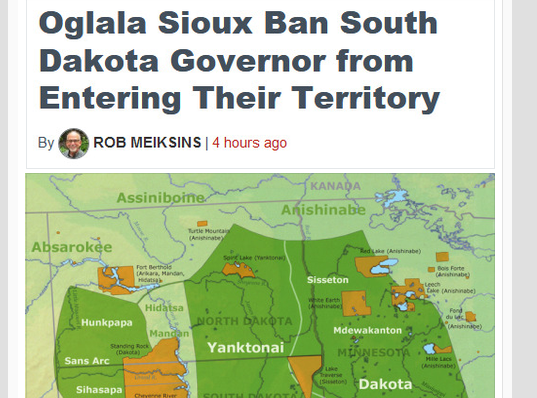
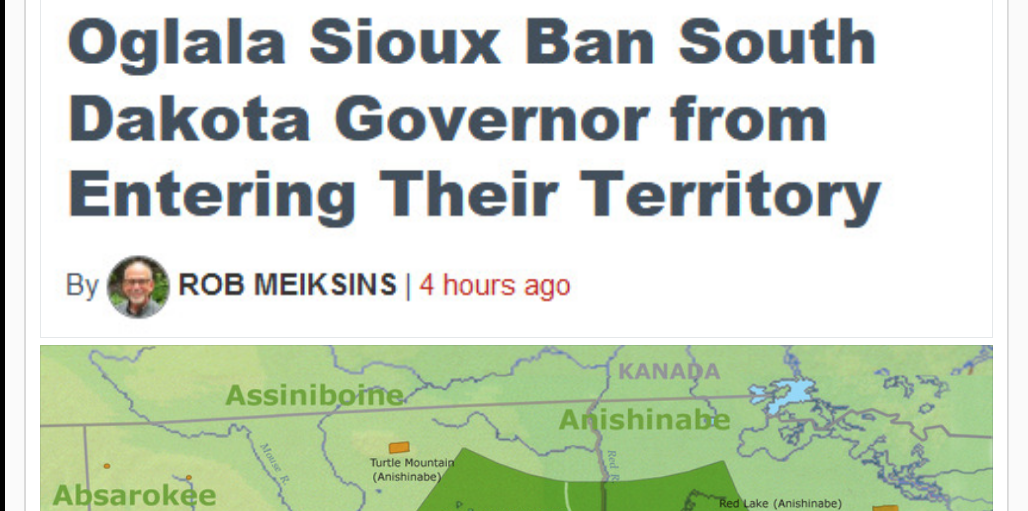
On 2 May 2019, Governor Kristi Noem was formally banned from Pine Ridge Reservation “until she rescinds her support for new state laws that target disruptive demonstrations.”
(Originally posted elsewhere on 19 November 2019.)
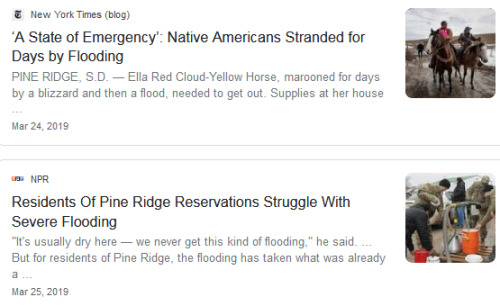
Extreme flooding had already been affecting Pine Ridge in March and April 2019, and after multiple deaths and devastating infrastructure damage, federal disaster declaration did not supply formal relief assistance until late June, and flooding continued to affect the reservation throughout autumn:
(There were another eight installments of this blog-post series. But much of their reporting is summarized below. Following originally posted elsewhere on 29 March 2022.)
It’s worse than it looks at first glance.
About the news of the “No Indians” policy at a Rapid City hotel and the subsequent notice served in response by local Native people: I’m not sure that national media outlets have been direct enough in pointing out (1) the relevancy of the situation to the ongoing back-and-forth between the South Dakota governor and Native peoples over the past few years; or (2) how insulting an anti-Native policy is in Rapid City specifically, given how much it profits off of white tourism and histories of Native dispossession.
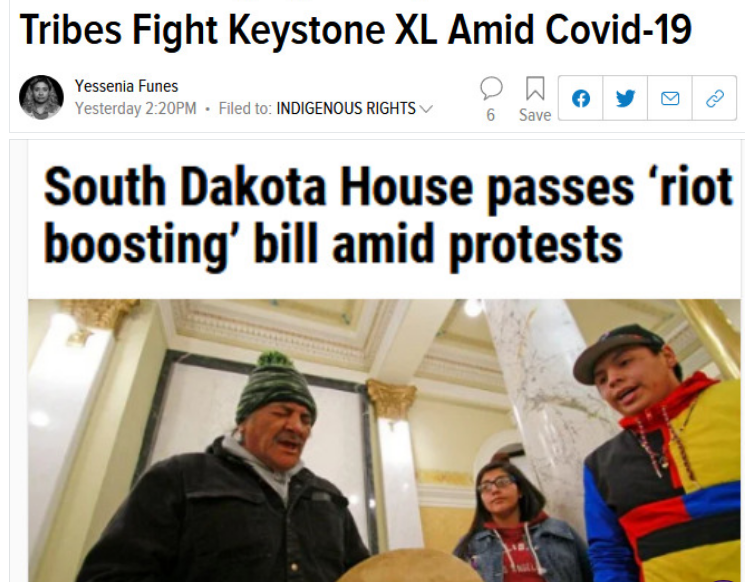
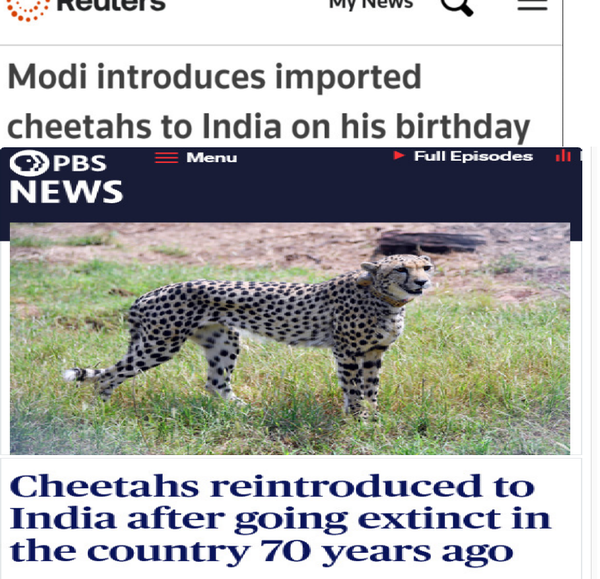
(Two different headlines from early 2020.)
He Sapa, in Lakhota. Mo’ohta-vo’honaaeva, in Tsehesenestsestotse. The Black Hills, in English.
This is the place where the revered Native landmark of Six Grandfathers was destroyed to create Mount Rushmore, a monument to the dominion and power of the US, and only-barely-informally also a monument to US “victory” over Indigenous peoples.
But that’s not all.
---
So, the owner of a hotel in Rapid City, in March 2022, posted on social media, saying that they would ban Natives from the property. In response, the leaders of five communities/reservations signed a Notice of Trespass, issued to the hotel owner, indicating that the owner violated the terms of the 1868 Fort Laramie treaty. This Notice of Trespass was signed by leaders of Oglala Lakota, Rosebud Sioux, Standing Rock Sioux, Crow Creek, and Cheyenne River communities/reservations.
And Rapid City?
Rapid City is functionally among the only sizable US “urban” hubs in a vast area across the northern Great Plains. (Pull up a map, trace a path from Minneapolis/Sioux Falls to Boise/Salt Lake City, and note that, among those hundreds of east-to-west miles, Rapid City is one of very few metro areas with over 150,000 people.)
How closely tied is the Rapid City region to histories of Indigenous dispossession?
In early 2019, residents at Pine Ridge were trapped by catastrophic springtime flooding; access to healthcare and grocery stores was interrupted or impossible. Immediately afterward, in 2019, the South Dakota governor, Kristi Noem, strongly and repeatedly advocated for the passing of statewide anti-protesting legislation meant to target Native organizers. Indigenous people characterized this as an overt “criminalization of protest,” especially advocacy against the installation of the Keystone XL pipeline and other fossil fuel projects in the region. (Keystone XL would pass by/through both Pine Ridge and Rosebud Sioux areas.)
In 2019, Oglala Lakota leadership voted unanimously to ban Governor Noem from Pine Ridge Reservation over the issue.
Even though the state did pass the anti-protesting legislation, a judge struck it down in October 2019. In December 2019, the South Dakota Water Management Board continued to discuss/allow issuing water access permits to the Keystone pipeline developers.
In January 2020, several Lakota communities refused to attend or participate in South Dakota’s formal “State of the Tribes” event hosted by the governor, and instead held their own “Great Sioux Nation Address”.
In February 2020, the South Dakota state legislature ended up passing a newer version of the draconian anti-protesting legislation, while Native people demonstrated against it at the capitol building in Pierre.
In April 2020, during the height of pandemic quarantines, the major Keystone XL pipeline was beginning construction, its route planned through the Rosebud Sioux reservation next-door to Pine Ridge.
Also in April 2020, as worldwide stock prices of uranium surged and the US president announced a 2021 budget granting $150 million to purchasing uranium mines within US borders, a Canadian company was planning a 10,600-acre uranium mine in the Black Hills.
(Notably, these anti-protesting regulations--criminalizing Indigenous dissidents--were being established just before similar discourses of protest-criminalization would become widespread in the following months during the onset of the pandemic era and George Floyd rebellion.)
—
How much money has Rapid City earned for white US entrepreneurs?
Rapid City is a primary service-provider/conduit of travel, tourism, recreation, etc., for these famous sites:
“Mount Rushmore”; Devil’s Tower; historic Deadwood; the Sturgis bike rally; the Black Hills and Black Hills National Forest; Oglala National Grassland; Thunder Basin National Grassland; Wind Cave National Park; Theodore Roosevelt National Park; and Badlands National Park.
The National Parks Service estimates that Mount Rushmore National Memorial contributes over $300 million to “the local economy,” with much of that wealth being channeled through “lodging.” Hotels, in other words.
Similarly, it’s estimated that Badlands National Park “generates” $100 million or more to that same Beloved Economy.
The Sturgis bike rally is held about 25 miles away from Rapid City. In 2015, there were 750,000 visitors in attendance. Each year, the rally directly earns between $1.5 and $2.5 million in tax revenue from temporary vendors alone. But that revenue doesn’t include the vast sums of money spent on camping, hotels, restaurants, and attendees’ likely additional visits to the area’s national parks/forests. Imagine all the side-trips to Devil’s Tower and Wind Cave.
That’s an awful lot of tourist money.
---
Pine Ridge reservation is right next-door to Rapid City.
All those millions and millions dollars in revenue that the national parks, memorials, bike rally, and other sites bring to Rapid City every year? Not shared with Native communities.
Pine Ridge is the site of Shannon County, occasionally cited as “the poorest or second poorest county in the US.” Nearby Oglala Lakota County is also cited as one of the poorest counties in the US. For years in the 1990s/2000s, the US county with the lowest median household income was Buffalo County, also in South Dakota and home to the Crow Creek Reservation.
The Wounded Knee Massacre, often cited in settler-colonial textbooks as the event which ended the so-called Indian Wars and ushered in “the closing of the frontier”, took place on 29 December 1890 on land now within Pine Ridge.
Is the US assault against Northern Plains peoples really “over”?
The frowning faces of four US presidents sit chiseled in stone atop Six Grandfathers, glaring down upon the Black Hills and peoples of the Northern Plains.