fugitiveecologies

Thoughts, stories and ideas.

Latest

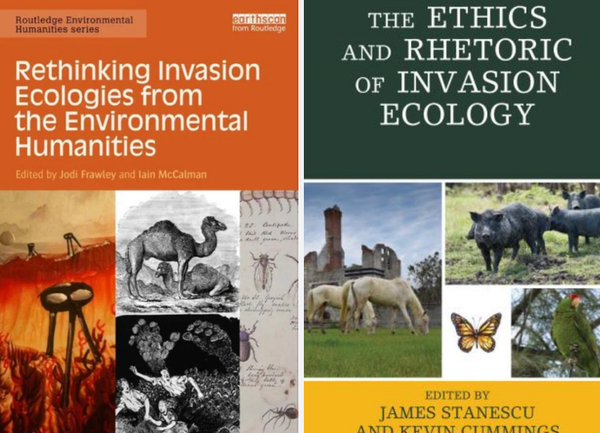
Responding to messages: The 'colonial intelligibility of the invasive other' (a list of resources for critiques of 'invasive species' rhetoric from the environmental humanities)

Responding to messages: The 'colonial intelligibility of the invasive other' (a list of resources for critiques of 'invasive species' rhetoric from the environmental humanities)

Woah. Look at this post I was drafting literally this morning before you sent this, about the nationalist appropriation of rhetoric of "native vs. invasive" species in Hungarian land management: Appropriate case study: (1) The tree was non-native and its introduction was facilitated by Austro-Hungarian imperial

By iliana
What, exactly, kills people on the banks of the Mississippi River?: Connecting racism, Covid deaths, toxicity, and the spatiality of industry in Louisiana's poverty archipelago

What, exactly, kills people on the banks of the Mississippi River?: Connecting racism, Covid deaths, toxicity, and the spatiality of industry in Louisiana's poverty archipelago

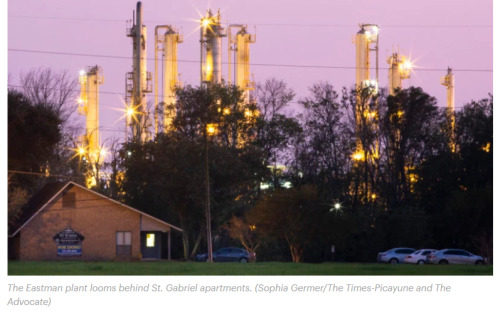
(Originally posted elsewhere on 6 May 2020.) What, exactly, kills people on the banks of the Mississippi River? I think about St. James Parish in 2020 during pandemic, and the nearly-$10-billion chemical facility currently being installed over a mass slave burial ground and multiple nineteenth century sugarcane plantation

By iliana
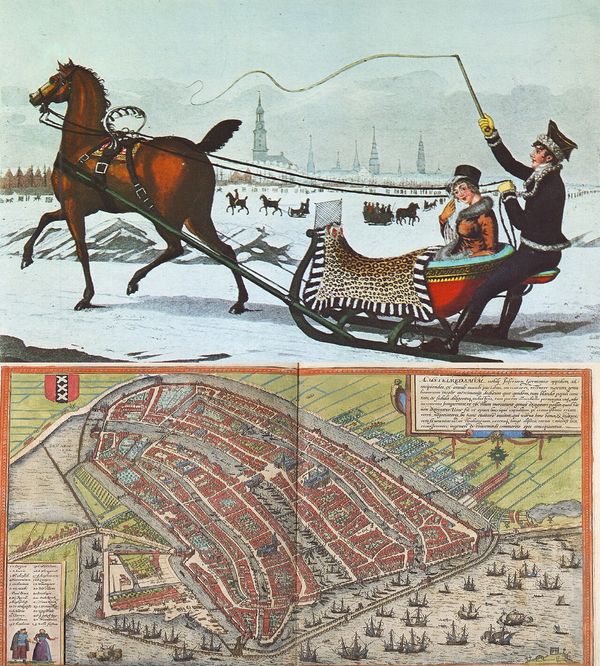
Santa's sleigh, the 'colonization of the urban night,' vehicularization, and 'multiple modernities': Amsterdam's streets and pedestrians in an early expression of industrialization

Santa's sleigh, the 'colonization of the urban night,' vehicularization, and 'multiple modernities': Amsterdam's streets and pedestrians in an early expression of industrialization

Work acquaintance, ostensibly as a joke about me and my interests, asked if I had any educational reading recommendations about “Santa’s sleigh” So, to pass the time, thought we’d have a dialogue about the history of urban vehicularization, pedestrian encounters with vehicles, and control of space and mobility,

By iliana
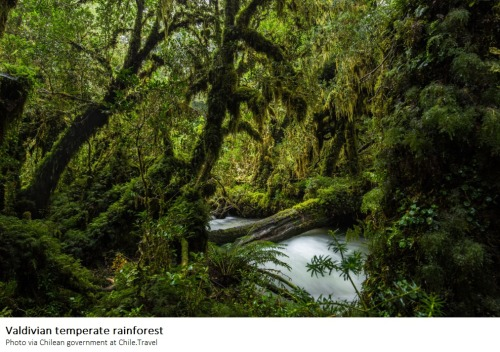
'To singe the pudu's dark fur' where 'assassin wasps tirelessly buzz': The pacification of Araucania, the death of South America's tallest tree, and the twisting of Huilliche-Mapuche land into a 'German farm-scape'

'To singe the pudu's dark fur' where 'assassin wasps tirelessly buzz': The pacification of Araucania, the death of South America's tallest tree, and the twisting of Huilliche-Mapuche land into a 'German farm-scape'

To singe the pudu’s dark fur .. vengeance of the earth, vengeance of solitary waters. Where did the continent’s largest tree go? What violence is hidden beneath the pasture of the “idyllic” farm? There is a tree 3,649 years old. An alerce. This particular alerce is Gran Abuelo

By iliana
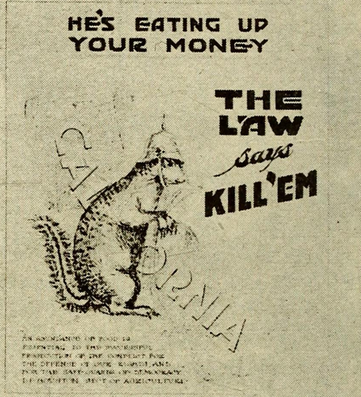
Necropolitics and scripting empire: The great locust swarm (1874), the California children's war on squirrels (1918), and the lessons of early-20th-century world-conquering board games

Necropolitics and scripting empire: The great locust swarm (1874), the California children's war on squirrels (1918), and the lessons of early-20th-century world-conquering board games

There’s necropolitcs. And then there’s necropolitcs. (Pages 176 and180, respectively, from: The Monthly Bulleting of the California State Commission of Horticulture, vol. VII, nos. 11-12, November-December 1918. URL: https://archive.org/details/californiaground00cali/page/n4/mode/1up) What’s up with that? How about an antecedent:

By iliana
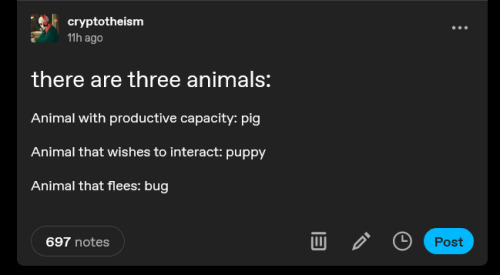
Responding to social media jokes: Three archetypes of utilitarian animals in Early Modern (and Progressive Era!) imaginaries, and the civilizing imperative in industrial landscapes

Responding to social media jokes: Three archetypes of utilitarian animals in Early Modern (and Progressive Era!) imaginaries, and the civilizing imperative in industrial landscapes

Can't stop thinking like this when I see social media joke-posts. "Three types of animals defined by utility and simplified transactional relationship to humans. including categories of productivity, domestic companionship, or passive/threat/disgust/pest": British and colonial American institutional and folk taxonomy of "

By iliana

Imagining 'bee-dancing' (part 2 of 2): Early Modern 'taxonomies of monsters,' 'aurality' in 19th-century Colombia, Edison's 'little lamb' (1877), humpback whale songs (1970), and deep listening

So, an acquaintance recently asked for music recommendations—something “dreamy” to help her “feel like a jellyfish” or something. The “deep listening”—attending to other-than-human ethics—may seem to be pretty abstract, but it actually came in handy in a conversation among friends that had to do with

By iliana