The unclear historical etymology of 'slow-worm': Medieval and contemporary names for a legless lizard
(Originally posted elsewhere on 17 July 2020.)
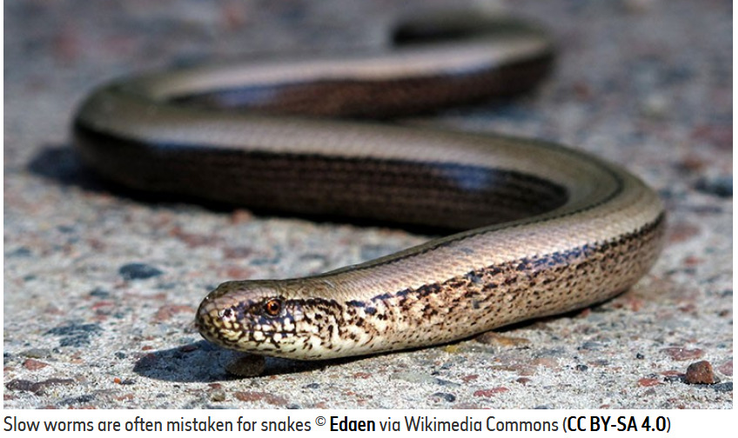
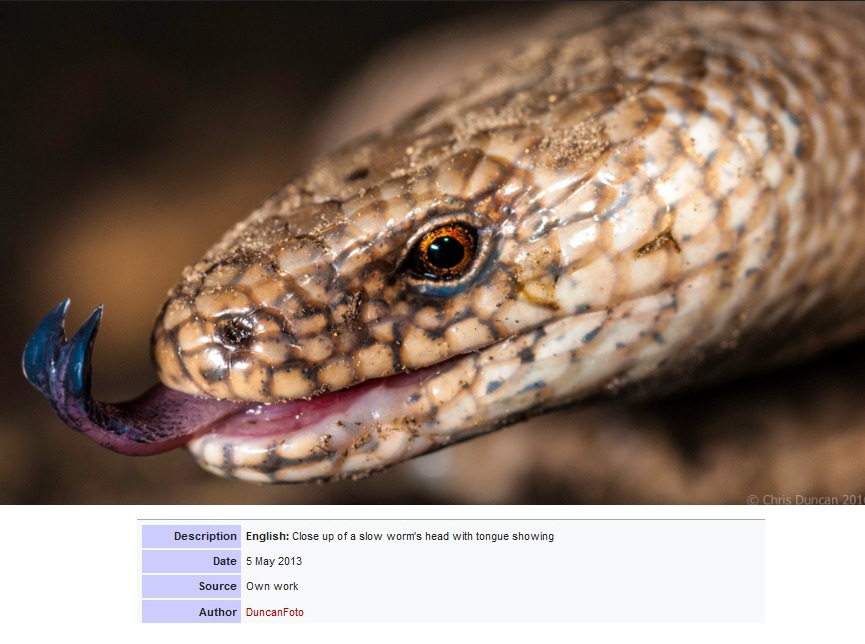
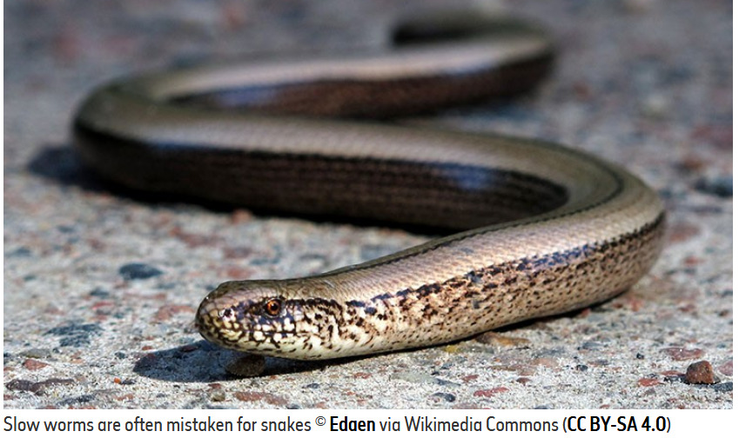
Anguis fragilis.
A beloved lizard. The “slow-worm,” in English.
But why the name? Because they’re “slow”? Maybe not!
Consulting the ancient (circa October 2004) texts.
TAMH Dictionary:
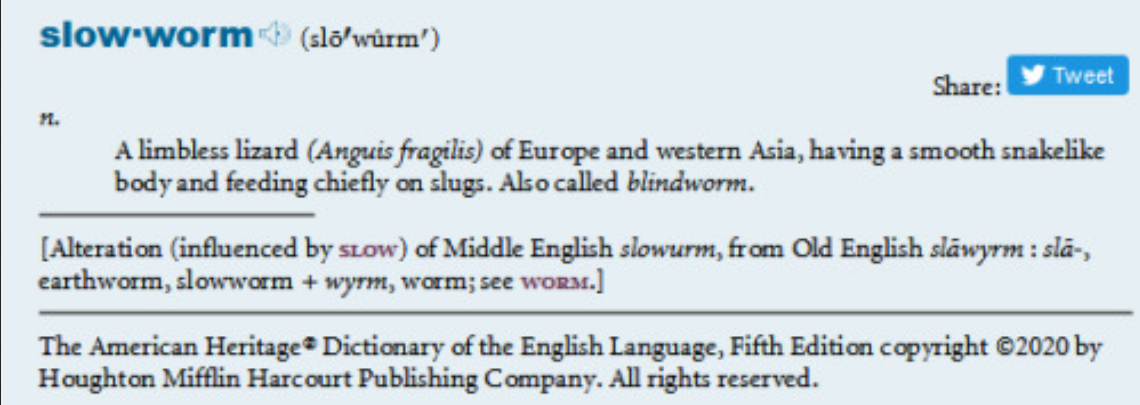
Interesting.
Slightly less ancient texts (Wikipedia):
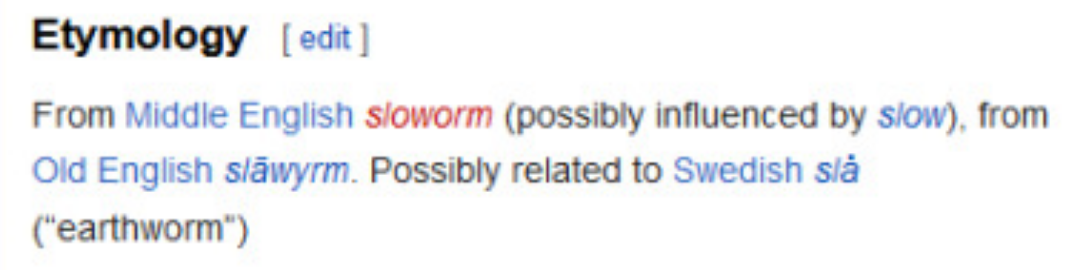
Maybe Middle English association with “slow.” But maybe Swedish.
For context, by the way, the distribution of five species of slow-worm:
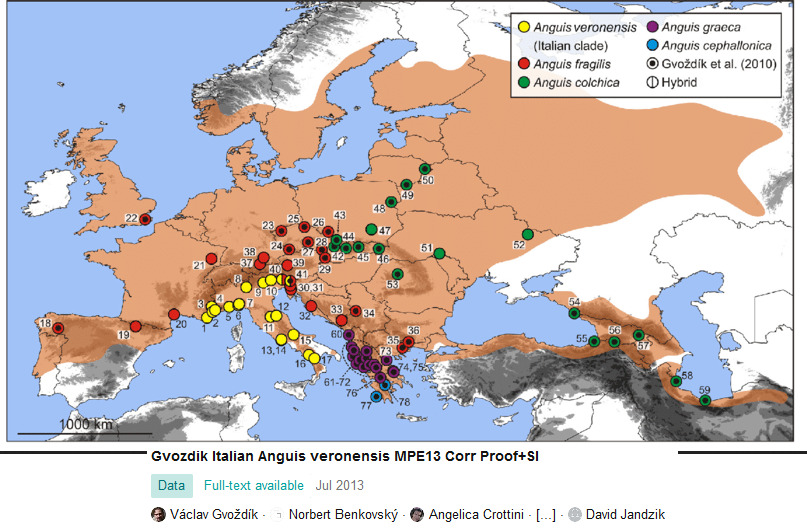
Still unclear!
Then this seemed interesting:
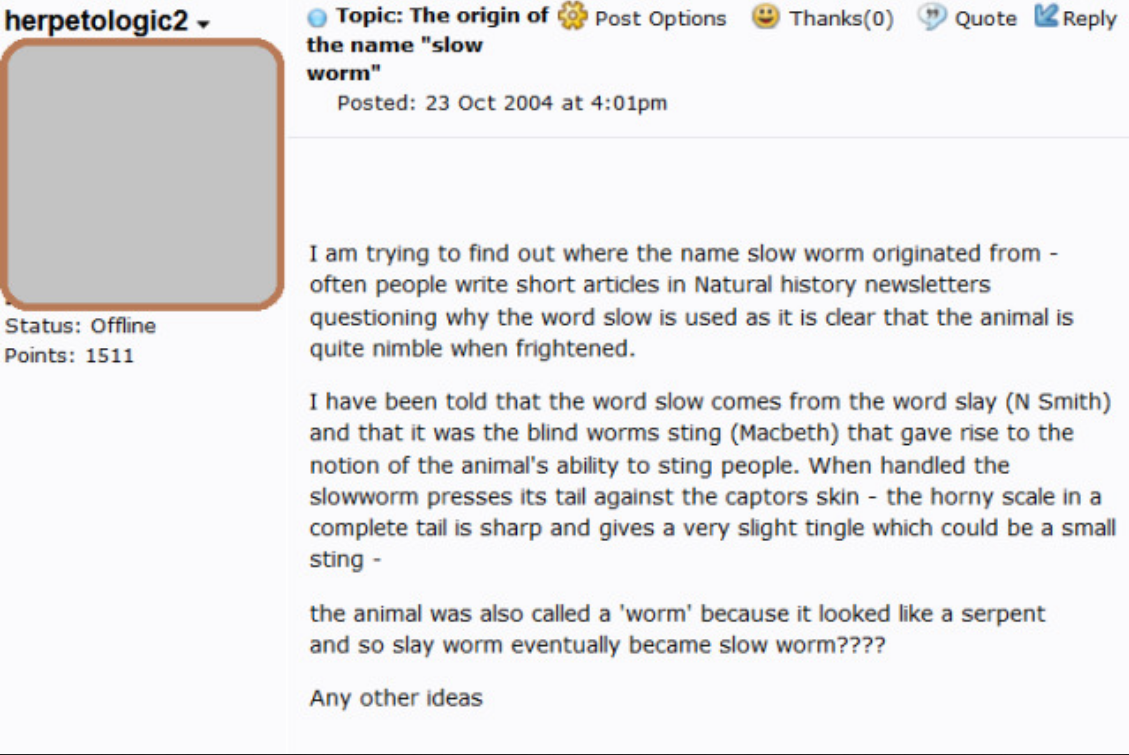
Text, user herpetologic2: I am trying to find out where the name slow worm originated from - often people write short articles in Natural history newsletters questioning why the word slow is used as it is clear that the animal is quite nimble when frightened. I have been told that the word slow comes from the word slay (N Smith) and that it was the blind worms sting (Macbeth) that gave rise to the notion of the animal’s ability to sting people. When handled the slowworm presses its tail against the captors skin - the horny scale in a complete tail is sharp and gives a very slight tingle which could be a small sting - the animal was also called a ‘worm’ because it looked like a serpent and so slay worm eventually became slow worm???? Any other ideas
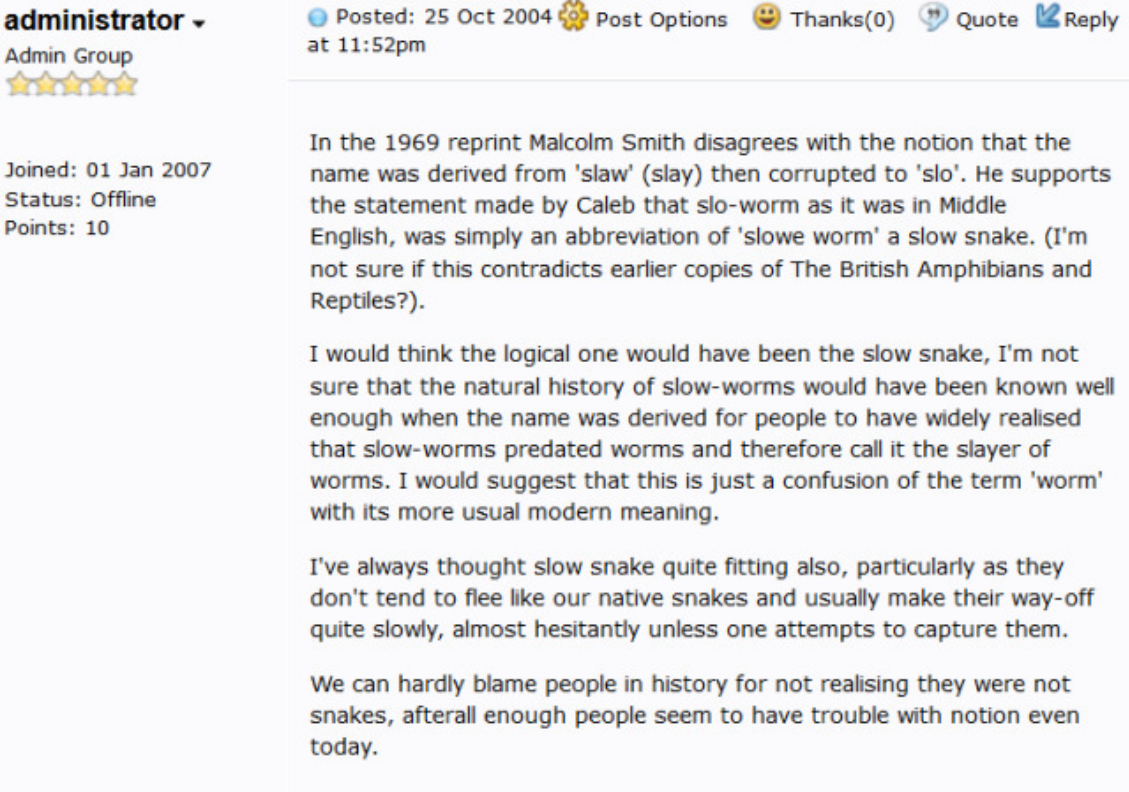
Text, anonymous admin: In the 1969 reprint Malcolm Smith disagrees with the notion that the name was derived from ‘slaw’ (slay) then corrupted to ‘slo’. He supports the statement made by Caleb that slo-worm as it was in Middle English, was simply an abbreviation of ‘slowe worm’ a slow snake. (I’m not sure if this contradicts earlier copies of The British Amphibians and Reptiles?).
I would think the logical one would have been the slow snake, I’m not sure that the natural history of slow-worms would have been known well enough when the name was derived for people to have widely realised that slow-worms predated worms and therefore call it the slayer of worms. I would suggest that this is just a confusion of the term ‘worm’ with its more usual modern meaning.
I’ve always thought slow snake quite fitting also, particularly as they don’t tend to flee like our native snakes and usually make their way-off quite slowly, almost hesitantly unless one attempts to capture them.
We can hardly blame people in history for not realising they were not snakes, afterall enough people seem to have trouble with notion even today.
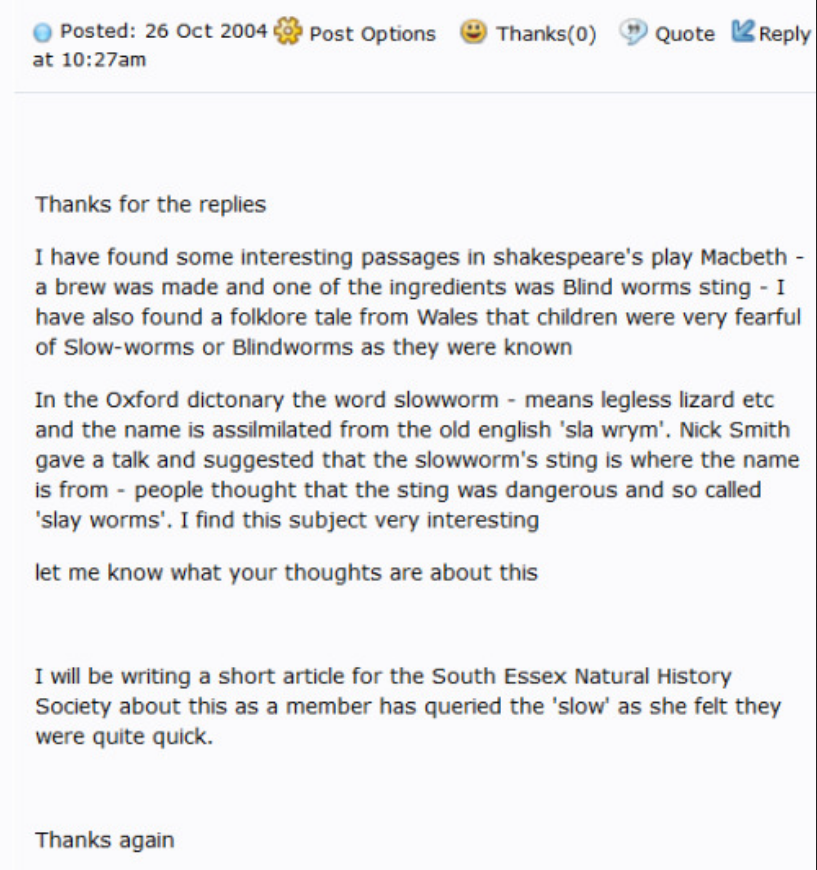
Text, user herpetologic2: Thanks for the replies. I have found some interesting passages in shakespeare’s play Macbeth - a brew was made and one of the ingredients was Blind worms sting - I have also found a folklore tale from Wales that children were very fearful of Slow-worms or Blindworms as they were knownIn the Oxford dictonary the word slowworm - means legless lizard etc and the name is assilmilated from the old english 'sla wrym’. Nick Smith gave a talk and suggested that the slowworm’s sting is where the name is from - people thought that the sting was dangerous and so called 'slay worms’.
—
In Shakespeare’s Macbeth!